
 5 days
Salkantay Trek 5 Days
Glacier pass, cloud forest and sky domes on the full length route to Machu Picchu.
The fast line over the Salkantay Pass, with two nights in sky domes.
The 4 day Salkantay Trek is the most direct way to walk from the high Andes to Machu Picchu. It crosses the Salkantay Pass at 4,630 m between the Salkantay and Humantay snow peaks and then drops into subtropical forest thick with green.
Both camp nights are spent in fully equipped domes, so you get the adventure without giving up a proper bed. On the last day a guide takes you through Machu Picchu.
Hike to the turquoise water of Humantay Lake and spend your first night in the dome camp at Quiswaraniyoc.
Cross the highest point of the route at 4,630 m, descend through a complete change of ecosystem and sleep in the domes at Lucmabamba.
Visit a family coffee plantation, climb to the Llactapata lookout and walk on to Aguas Calientes for the night.
Take a guided tour of the citadel and return by train or by road through Hidroelectrica.
Two nights in panoramic domes with clear panels, a big step up from a standard tent.
One of the best known alpine lakes of Peru, fed by meltwater from the glacier that towers above it.
Stand at about 4,630 m (15,190 ft) with the sacred Salkantay massif all around you.
Follow the bean from harvest to cup with the people who grow it and taste fresh organic coffee.
A wide view of the citadel from an Inca site that only a small share of visitors ever reach.
Explore the citadel with a professional guide who explains its design, engineering and meaning.
From our guidesThis itinerary is built for hikers who are short on time. If you can spare one more day, look at our Salkantay Trek 5 Days, which slows the pace and adds a night in the Chaullay huts.
You leave Cusco before dawn and drive through quiet valleys to Mollepata and on to Soraypampa, the gateway to the Salkantay area. The centerpiece of the day is the climb to Humantay Lake. Afterward you walk to our camp at Quiswaraniyoc for mountain views, a comfortable dome and a calm evening.
Pickup in Cusco is between about 4:30 and 5:00 a.m. Once the group is together, private transport crosses the Anta valley toward Mollepata. On the way your guide runs through the plan, the safety advice and the places you will pass.
A fresh buffet breakfast with local and international choices sets you up for the day. This is also the place to use the toilets and buy any last snacks.
At Soraypampa the horsemen and pack horses are waiting. The guide checks your gear, explains the walking pace and leads the group off. Within minutes the view fills with snow peaks, glacial streams and high altitude plants.
The trail climbs steadily and usually takes 1.5 to 2 hours, depending on pace and acclimatization. At about 4,200 m (13,780 ft) the lake appears, colored by meltwater from Humantay Mountain. You have time to rest, take photos and hear why the peak matters in Andean belief. Horses can be hired from the community for the climb if you want help.
You return to the valley floor and continue to our private camp. The walking gets easier and the Salkantay massif stays in view the whole way.
A hot lunch is served on arrival and the afternoon is free. Your dome has wide windows, so you can watch the peaks from bed as the light fades. After dinner the guide explains the next day, the climb to the Salkantay Pass.
The second day is the hardest and the one people remember most. You climb to the pass, take in a full circle of snow peaks and then follow the trail from bare high country into cloud forest. It is one of the sharpest ecological changes you can walk through in Peru. The day ends at the domes in Lucmabamba.
Before sunrise a cup of hot coca tea arrives at your dome to help with the altitude ahead. After breakfast you pack up for the biggest walk of the trek.
From camp the path rises steadily to roughly 4,630 m (15,190 ft). The ascent normally takes 3 to 4 hours, with many pauses to drink and look around at one of the most respected mountains of the Andean world.
At the pass you see glaciers, deep valleys and the summits of the Vilcabamba range. It is the moment for photos and a quiet minute before the long way down.
The trail leaves the alpine zone and the plants, temperature and wildlife change as you lose height. Waterfalls, rivers and orchids take the place of rock.
A freshly made lunch is served at a scenic spot so everyone can refuel before the afternoon descent to Chaullay.
In Chaullay a private vehicle takes you the short distance to Lucmabamba. This skips several kilometers of dirt road and gives you more time to rest.
Check into your dome, take a shower and relax before dinner. In the evening the guide previews Day 3: the coffee farm, Llactapata and your first view of Machu Picchu.
Culture, history and scenery come together on Day 3. You learn about one of the finest coffee regions of Peru, climb an original stretch of Inca road to Llactapata and see Machu Picchu across the valley. Then the trail drops to Hidroelectrica and follows the railway to Aguas Calientes.
You wake in the cloud forest and have breakfast at camp. The first visit is a local plantation where a family shows each step of traditional production: harvesting, roasting, grinding and brewing. You taste the result on the spot.
A gradual climb leads to this Inca settlement on one of the best viewpoints of the route. In clear weather Machu Picchu stands across the canyon under Huayna Picchu. Your guide explains how Llactapata tied into the road system between Cusco and the royal sanctuary.
The path goes down through tropical vegetation full of orchids, butterflies and waterfalls. Lunch is ready when you arrive.
After lunch you follow the tracks beside the Urubamba river for about 2.5 to 3 hours. It is gentle walking through a canyon of subtropical forest and a relaxed end to the trekking.
Check into your hotel and enjoy some free time in town. Later the guide confirms your entry time, circuit and transport options for the morning. Dinner is at a restaurant we have selected.
The final day belongs to Machu Picchu. After an early breakfast you go up to the citadel, where your guide brings its history and engineering to life. Then you either climb an optional mountain or start your return to Cusco.
Breakfast is at the hotel before sunrise. The guide tells you exactly when to leave, according to the time on your ticket. You can reach the gate by shuttle bus or on foot by the official path.
Inside, the guided walk follows the circuit on your ticket and lasts about 2 to 2.5 hours. You stop at the classic viewpoints and learn the purpose of the temples, terraces and ceremonial areas, and how they were built.
If you booked Huayna Picchu or Machu Picchu Mountain, you go straight to that trailhead after the tour. Both give superb views and both have limited daily spaces, so they must be reserved ahead.
Walk or take the shuttle bus down to Aguas Calientes and board the afternoon train to Ollantaytambo. Our private transport brings you from there to Cusco in the evening.
Walk from Machu Picchu along the railway to Hidroelectrica and board private transport there for the drive to Cusco.
 1Cusco3,399 m (11,152 ft)
 2Mollepata2,900 m (9,514 ft)
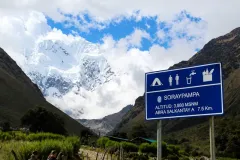 3Soraypampa3,900 m (12,795 ft)
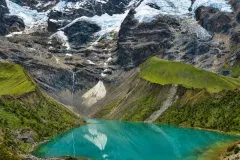 4Humantay Lake4,200 m (13,780 ft)End of day 1
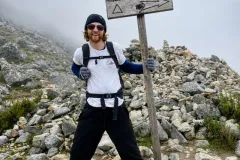 5Salkantay Pass4,630 m (15,190 ft)
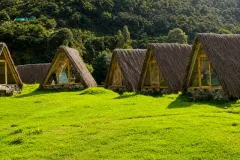 6Chaullay2,900 m (9,514 ft)
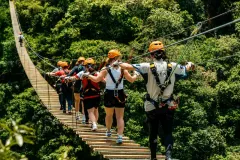 7Lucmabamba2,000 m (6,562 ft)End of day 2
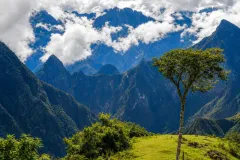 8Llactapata2,700 m (8,858 ft)
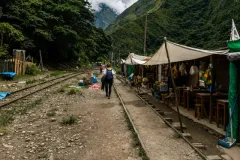 9Hidroelectrica1,900 m (6,234 ft)
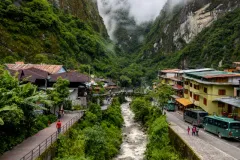 10Aguas Calientes2,040 m (6,693 ft)End of day 3
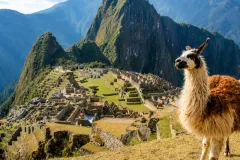 11Machu Picchu2,430 m (7,972 ft)End of day 4
Briefing. A meeting in Cusco the evening before departure covering the route, weather and altitude advice, plus handover of your duffel bag.
Hotel pickup. Door to door collection in Cusco between 4:30 and 5:00 a.m.
Private transport. From Cusco to Soraypampa on Day 1 and the return transport you selected.
Luggage storage. Free storage for extra bags at our Cusco office during the trek.
English speaking guide. A certified mountain guide for the trail and for your Machu Picchu visit.
Small group. Group size is kept low so everyone gets attention and support.
Oxygen and first aid. Emergency oxygen and a complete first aid kit on every departure.
Operations support. Our team is on call from booking until you are back in Cusco.
7 kg duffel. A duffel bag with a 7 kg (15 lb) allowance, sleeping bag included if you rent one, carried by the horse team.
Muleteers and horses. Horsemen and pack animals move camp gear, food and duffels along the route.
Meals. 4 breakfasts, 3 lunches, 3 dinners and daily snacks cooked by our trail kitchen.
Special diets. Vegetarian, vegan, gluten free and lactose free meals at no extra cost with advance notice.
Sky domes. Two nights in panoramic domes with clear panels for mountain and night sky views.
Hotel in Aguas Calientes. One night in a private room with hot shower and Wi-Fi.
Entry ticket. Official Machu Picchu ticket. We aim for the classic circuit or the best official alternative available.
Guided visit. About 2.5 hours with your guide inside the citadel.
Return to Cusco. Train or road via Hidroelectrica, organized by us.
Humantay Lake entry. Collected by the Mollepata municipality and paid in soles at the checkpoint before the hike. It funds upkeep of the area.
Sleeping bag rental. Nights at the first camps are cold. If you do not bring your own bag you can rent one from us that is made for high altitude.
Trekking pole rental. Adjustable poles can be rented. They take pressure off the knees and add balance on steep or uneven ground.
Drinking water on the trail. Meals and hot drinks are covered, bottled water is not. Bring a reusable bottle or bladder. Purified water is offered at camps and bottles are sold at several points.
Internet and phone signal. Much of the route has little or no coverage. Some camps and villages sell Wi-Fi, without any guarantee of quality.
Showers. Basic toilets are available throughout. Hot showers at certain camps and in Aguas Calientes may carry a small local fee, and remote camps have cold water only.
Tips. Optional. If you feel the guides, cooks, muleteers and drivers did a great job, a tip is welcome but never expected.
Travel insurance. Not included. Please arrange cover for medical emergencies, cancellations and lost belongings before you arrive in Peru.
Personal spending. Snacks, alcohol, souvenirs, laundry and anything you buy on the trek or in Aguas Calientes.
Riding horse. Offered only on some sections, mainly the climbs to Humantay Lake and the pass, subject to availability. Paid in cash to the owners.
Extra Machu Picchu mountains. Huayna Picchu, Machu Picchu Mountain and Huchuy Picchu are optional upgrades with limited daily permits. Reserve early.
Bus between Aguas Calientes and Machu Picchu. Shuttle tickets can be bought separately if you would rather not walk up or down.
There are two rates, set by the way you return from Machu Picchu: by road (Aguas Calientes, Hidroelectrica, Cusco) or by train (Aguas Calientes, Ollantaytambo, Cusco).
| Adult | $320 |
|---|---|
| Student | $300 |
| Under 17 | $300 |
| Adult | $400 |
|---|---|
| Student | $380 |
| Under 17 | $380 |
| 2 people | $770 |
|---|---|
| 3 people | $730 |
Private transport from Cusco to the trailhead
Private guide from the trailhead to the end of the Machu Picchu visit
Private accommodation along the trek
3 star hotel in Aguas Calientes
Private transfer from Ollantaytambo to your hotel in the Sacred Valley or Cusco (train return)
 Original passport
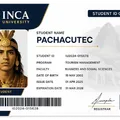 Student card
 Cash in soles
 Personal medication
 Water bottle
 Small daypack
 Quick dry t-shirts
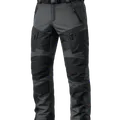 Trekking pants
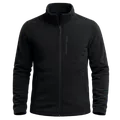 Fleece jacket
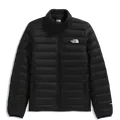 Down jacket
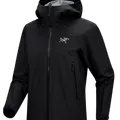 Waterproof jacket
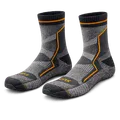 Trekking socks
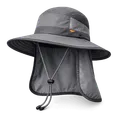 Sun hat
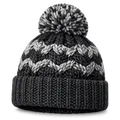 Warm beanie
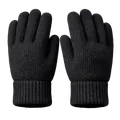 Gloves
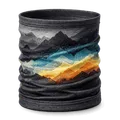 Neck buff
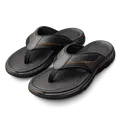 Sandals
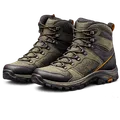 Hiking boots
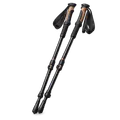 Trekking poles
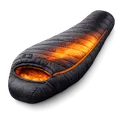 Sleeping bag
 Headlamp
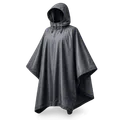 Rain poncho
 Power bank
 Camera or phone
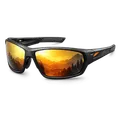 Sunglasses
 Sunscreen
 Insect repellent
 Quick dry towel
 Toiletries
 Energy snacks
 BinocularsAction camera
 Spare batteries
May to September is the dry season in the Peruvian Andes, with sunny days, clear views and firm trails. April and October work well too and are quieter. From November to March it rains more often, the hills turn greener and parts of the path get muddy.
The trek tops out at 4,630 m (15,190 ft) on the Salkantay Pass. To lower the risk of altitude sickness, spend at least 2 days in Cusco first, drink plenty of water, skip alcohol and take your first days at height slowly. The CDC guidance on high altitude travel is a reliable medical reference.
It is rated moderate to challenging because of the altitude, the steep sections and the long days. Most people in reasonable shape finish it without trouble when they train a little beforehand with regular walks or cardio and give themselves time to acclimatize.
Expect a bit of everything. Nights at the high camp can fall below 0°C (32°F), while the cloud forest lower down is far warmer. Layers and a waterproof shell are the answer.
The route passes through four ecosystems: snow peaks, alpine valleys, cloud forest and subtropical lowland. Along the way you may spot orchids, hummingbirds, bright butterflies and, with luck, a spectacled bear, always with the Salkantay and Humantay glaciers above.
Every meal is cooked fresh by our trail kitchen with local ingredients. Vegetarian, vegan, gluten free and other diets are handled at no extra cost when you ask at booking. A few snacks of your own are handy between meals.
Preparation is simple and it pays off. Walk regularly, build some cardio, stay hydrated and break in your boots before you travel. Packing only what you need makes each day lighter.
Carry some cash in soles and keep your passport with you. Cards are widely accepted in Cusco, but the villages on the trek work with cash only. A handful of Spanish phrases goes a long way.
At least 2 days in Cusco. That gives your body time to adjust and makes altitude sickness much less likely.
Moderate to challenging. The altitude is a bigger test than the distance. With good fitness and proper acclimatization you can complete it.
The Salkantay Pass at 4,630 m (15,190 ft). From there the trail descends through cloud forest toward Machu Picchu.
No. The local municipality collects it separately and it is paid in cash at the checkpoint.
Up to 7 kg (15 lb) in the duffel bag we give you, counting the sleeping bag if you rent ours. While walking you carry only your daypack.
Yes, both can be rented before departure. Reserve them ahead so we can set them aside for you.
4 breakfasts, 3 lunches and 3 dinners, all made fresh by our trail cooks. Vegetarian, vegan, gluten free and other diets are available with notice.
The trek includes an official entry ticket. We book the classic circuit whenever we can. The final circuit depends on what the Peruvian authorities have available when you reserve.
Our guides are trained to spot the symptoms and carry oxygen and a first aid kit. They will help you at once and decide on the safest next step for your condition.
Sturdy boots, layers, a waterproof jacket, sunscreen, insect repellent, a reusable bottle and your personal items. The full packing list is on this page.
5 daysGlacier pass, cloud forest and sky domes on the full length route to Machu Picchu.
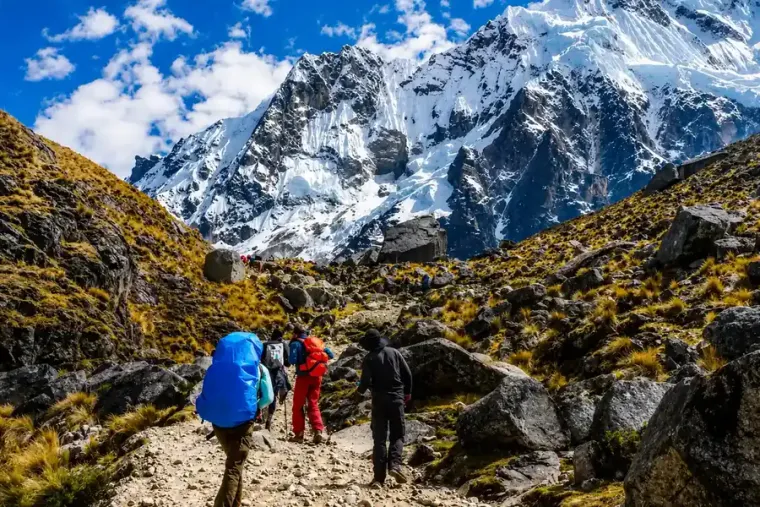 5 days
The full Salkantay route with a private crew, luxury camps, a night facing Machu Picchu and a hotel to finish.
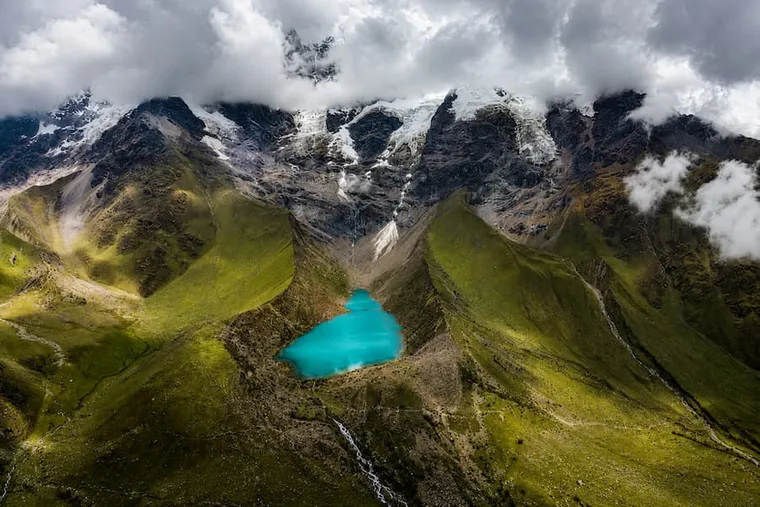 Full day
A short, steep climb to a turquoise lake under a hanging glacier.