
 2 days
Short Inca Trail 2 Days
The last 12 km of the Inca road, the Sun Gate on foot and a hotel bed at night.
The original stone road of the Incas, ending at the Sun Gate at first light.
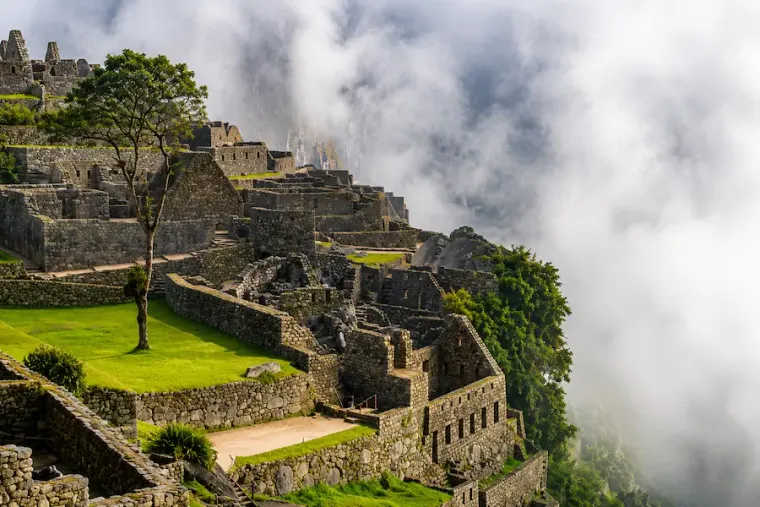
The 4 day Inca Trail is the best known trek in South America and the classic way to arrive at Machu Picchu, a UNESCO World Heritage site and one of the New 7 Wonders of the World. You walk the same paved road the Incas built, pass ruins that can only be reached on foot and enter the citadel from above, through the Sun Gate.
We handle the permits, the crew and every detail of the camps so that all you have to think about is the walking.
Start at the official trailhead and follow the valley past Patallacta to the Ayapata camp, where tents and dinner are ready.
Climb to Warmiwanusca at 4,215 m, the high point of the trail, and continue past Runkurakay and Sayacmarca to camp at Chaquicocha.
Walk through cloud forest and visit Phuyupatamarca, Intipata and Winay Wayna, the finest site on the route.
Reach the Sun Gate for the first view of the citadel, tour it with your guide and ride the Vistadome train back.
We book your government permit and keep groups small. The operation is run entirely by a local team.
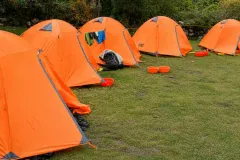
Fresh cooked meals, a private toilet tent, roomy tents and inflatable mattresses at every camp.
Bilingual guides from the region who know the history of each site and tell it well.
Decent wages, weight limits and proper gear for the people who make the trek possible.
Emergency oxygen, a first aid kit and satellite communication on every departure.
The trek ends with a ride on the Vistadome train through the Urubamba canyon.
From our guidesOur groups are small and well looked after: a private toilet tent, proper meals cooked from local produce and good quality camping gear. We are a Peruvian team from Cusco, and our porters work with fair pay, limited loads and the right equipment.
Your team meets you at your Cusco hotel between 5:30 and 6:00 a.m. The first day is a gentle one on purpose. It leads from the highlands into the Sacred Valley and lets your legs find a rhythm before the big climb.
After pickup we cross the Sacred Valley and reach Piscacucho, known as Km 82 (about 2,700 m / 8,858 ft), by mid morning. You meet the cooks and porters, pass the control point and cross the Urubamba river onto the Inca Trail.
The path follows the river and then rises to a lookout above the ruins of Patallacta, also called Llactapata. Your guide explains how this large administrative and religious center worked as a checkpoint for travelers heading to Machu Picchu.
We continue up the Cusichaca valley, pass the village of Huayllabamba and arrive at Ayapata (about 3,300 m / 10,826 ft). A basin of warm water, a pitched tent and a three course dinner are waiting.
After a solid breakfast comes the hardest climb of the trail. The path rises through high grassland to Warmiwanusca at 4,215 m (13,829 ft). It tests your stamina and pays you back with a view of snow peaks and of everything you have walked so far.
With photos taken, we descend into Pacaymayo. Dry high ground gives way to green as you go down. Lunch is served at the bottom.
The afternoon takes in Runkurakay, an oval building that served as a rest house for Inca messengers, and then Sayacmarca, an intricate site set on a ridge. Both are quiet places where the skill of the builders is easy to appreciate.
We arrive at Chaquicocha (about 3,600 m / 11,811 ft) around sunset, a fine spot to watch the sky change color. After dinner the guide explains the cloud forest day ahead.
Many hikers call this the most beautiful day. The trail runs along the edge of the cloud forest among orchids and bromeliads. The first stop is Phuyupatamarca, the Town in the Clouds, with a long view down the Urubamba valley and a clear lesson in how Inca builders worked with the shape of the mountain.
Farther on is Intipata, the Sun Terrace. Its farming terraces step down the slope toward the river. It is a good place to sit for a while and take in the scale of the work.
The day ends at Winay Wayna, which means Forever Young. With its fountains and ritual buildings it may be the most striking site of the whole trail. After a guided visit we walk to the last camp nearby and share a farewell dinner with the porters and cooks.
We set off before first light to be at Intipunku, the Sun Gate, at the right moment. As the sun comes up, Machu Picchu appears below. From there it is a short walk down into the site.
Your guide leads you through the main sectors: temples, royal quarters and farming terraces. You get the history and engineering behind each one and time to wander the stone lanes at your own pace.
The Consettur bus takes you down to Aguas Calientes for lunch. In the afternoon you board the Vistadome train to Ollantaytambo and watch cloud forest turn back into the Sacred Valley. Our private transport then returns you to your hotel in Cusco.
 1Cusco3,399 m (11,152 ft)
 3Wayllabamba3,000 m (9,843 ft)
 5Llulluchapampa3,800 m (12,467 ft)
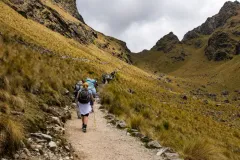 6Dead Woman's Pass4,215 m (13,829 ft)
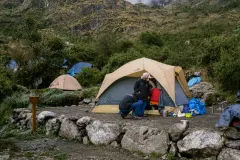 7Pacaymayo3,580 m (11,745 ft)
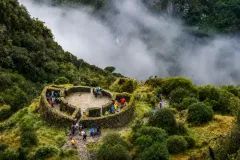 8Runkurakay Pass3,970 m (13,025 ft)
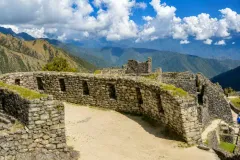 9Sayacmarca3,600 m (11,811 ft)End of day 2
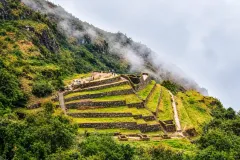 10Phuyupatamarca3,650 m (11,975 ft)
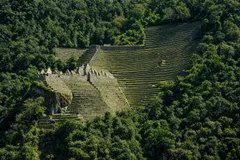 11Winay Wayna2,650 m (8,694 ft)End of day 3
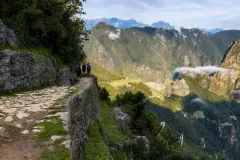 12Sun Gate2,720 m (8,924 ft)
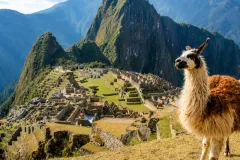 13Machu Picchu2,430 m (7,972 ft)End of day 4
Briefing. A required meeting at your hotel at 7:00 p.m. the evening before to go over logistics and safety.
Hotel pickup. Collection from your Cusco hotel between 5:30 and 6:00 a.m. in private transport.
Ground transport. Private transfer to Km 82 and from Ollantaytambo station back to your hotel.
Luggage storage. Free, secure storage for your main bags at our Cusco office for the 4 days.
Inca Trail permit. All official permits for the Classic Inca Trail.
Machu Picchu entry. Tickets for Circuits 1 and 3 for a complete visit.
Guide. A professional bilingual guide on the trail and in the citadel.
Safety. First aid kit and emergency oxygen carried by the guide.
Camping equipment. Spacious tents, inflatable mattresses, pillows, a toilet tent, a dining tent and a kitchen tent.
Porters and duffel. Cooks and porters support the group. At the briefing you receive a duffel bag for up to 7 kg of your things, carried for you all the way.
Meals. 4 breakfasts, 4 lunches and 3 dinners. Vegetarian, vegan, gluten free and other diets at no extra cost with advance notice.
Vistadome train. Panoramic train from Aguas Calientes to Ollantaytambo with live cultural performances on board.
Consettur bus. Official shuttle from Machu Picchu down to Aguas Calientes.
Personal equipment. Sleeping bag rated to minus 10°C: 15 USD for the trek. Trekking poles: 15 USD per pair for the trek.
Travel insurance. Recommended for trekking at altitude.
Tips. Optional for porters, cooks and guides, and much appreciated as recognition of hard work.
Extra snacks and drinks. Bottled water, energy snacks or personal treats beyond what we provide.
The price covers your government permit, guide, camping equipment, meals and the Vistadome train from Aguas Calientes to Ollantaytambo.
| Adult | $780 |
|---|---|
| Student | $750 |
| Under 17 | $750 |
 Original passport
 Cash in soles
 Personal medication
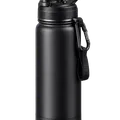 Water bottle
 Sunscreen
 Insect repellent
 Toiletries
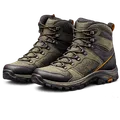 Hiking boots
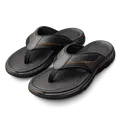 Sandals
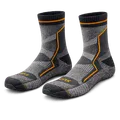 Trekking socks
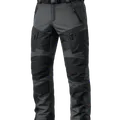 Trekking pants
 Quick dry t-shirts
 Long sleeve shirt
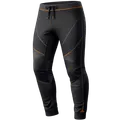 Thermal base layers
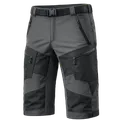 Shorts
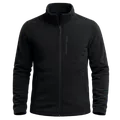 Fleece jacket
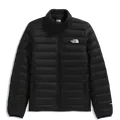 Down jacket
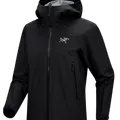 Waterproof jacket
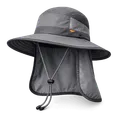 Sun hat
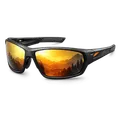 Sunglasses
 Neck buff
 Warm beanie
 Gloves
 Trail gaiters
 Sleeping bag
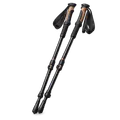 Trekking poles
 Headlamp
 Quick dry towel
 Camera or phone
 Power bank
 Energy snacks
Passes like Warmiwanusca ask for decent cardio fitness and endurance. To cut the risk of altitude sickness, known locally as soroche, spend a few days resting in Cusco or the Sacred Valley before you start.
Go through the packing list on this page before you leave for the trailhead. Thermal layers, boots that are already broken in and a daypack that fits you well make a real difference at the camps and on the climbs.
The stone road is part of a large archaeological and natural reserve watched over by heritage bodies. Daily visitor limits and booking rules exist to protect masonry that is more than five centuries old from the wear of mass tourism.
The UNESCO listing for the Historic Sanctuary of Machu Picchu explains the value of the site. Those principles are the reason nobody may hike the trail independently and every group must go with a licensed operator.
The cloud forest along the trail shelters fragile native species, among them the spectacled bear, rare orchids and birds found nowhere else. Park rangers enforce conservation rules in every zone.
You can read about that work on the SERNANP protected areas portal. It explains why open fires are banned and why waste at camps is handled so carefully.
Everyone on the trail follows Leave No Trace and carries out their own rubbish. Trekking poles must have rubber tips so they do not chip the Inca paving.
If four days of camping at altitude sounds like more than you want, there is a gentler option with lower elevations and a hotel night: the Short Inca Trail 2 Days.
Yes. The Inca Trail is a great choice for solo travelers. You join a small shared group and meet people from many countries, with no need to organize anything yourself.
Everyone has their own pace and that is fine. In the Andes a steady step matters more than speed, above all on the climbs. The group meets up at set points along the way and a guide is always close.
Many people complete it as their first multi day hike. Go in with realistic expectations: it is demanding, with big changes in altitude, long stone staircases and several hours of walking each day. With acclimatization in Cusco and basic fitness it is achievable and deeply rewarding.
With a licensed operator and experienced guides it is very safe. The main risks are altitude and weather. If someone feels unwell, the guides assess the situation at once and organize the fastest response. They hold wilderness first aid certificates and carry a medical kit and oxygen.
Contact us straight away. Permits are issued in your name for a fixed date, and the Ministry of Culture does not allow changes. This is why we advise arriving in Cusco at least two days early, both to acclimatize and to leave a margin for delays.
Yes. Our cooks prepare vegetarian, vegan, gluten free, dairy free and allergy safe meals along the whole route. Give us the details when you book so the kitchen can plan.
It is not a legal requirement, but we strongly recommend it. A suitable policy covers adventure sports, medical care at altitude, cancellation or interruption and luggage.
About 400 to 600 soles per person, in small notes and coins. You will use it for local toilets, extra water or snacks on the first sections, lunch in Aguas Calientes on the last day and tips for the crew.
Tips are voluntary and not included in the price. They are a personal thank you if you feel the porters, cooks and guides went beyond what you expected. The crew values it, and it comes on top of the fair wages they already receive.
The authorities set no age limit. What counts is good health, fitness and proper acclimatization. For families with young children or older hikers who have doubts about several days of camping, we suggest a private departure or a shorter route.
Yes, it is essential. It is held at your hotel at 7:00 p.m. the evening before. You meet your guide, review each day, hear the safety advice and collect the duffel bag for the 7 kg the porters will carry.
We advise against it. Day 4 has several tightly timed connections: the bus down from the citadel, the train from Aguas Calientes to Ollantaytambo and the road transfer to Cusco. Any delay from weather or the railway could make you miss a flight. Book one more night in Cusco or the Sacred Valley and travel the next day.
2 daysThe last 12 km of the Inca road, the Sun Gate on foot and a hotel bed at night.
 4 days
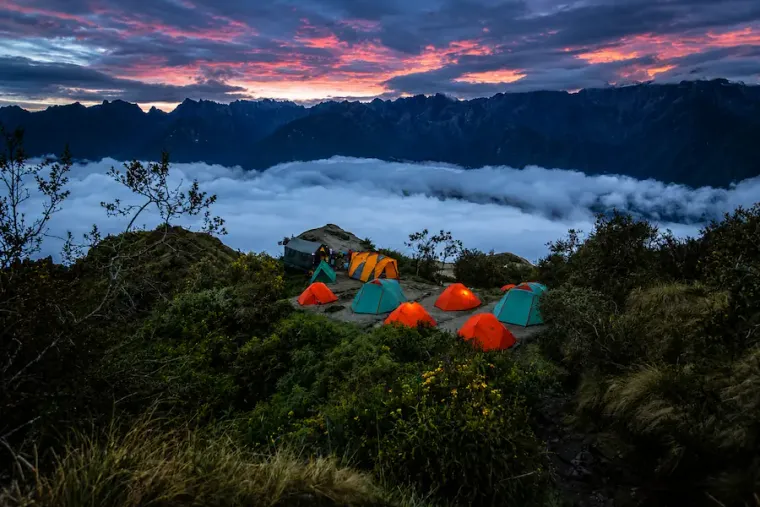
The classic route to the Sun Gate with a private crew, walk in tents, real beds and hot showers.
 5 days
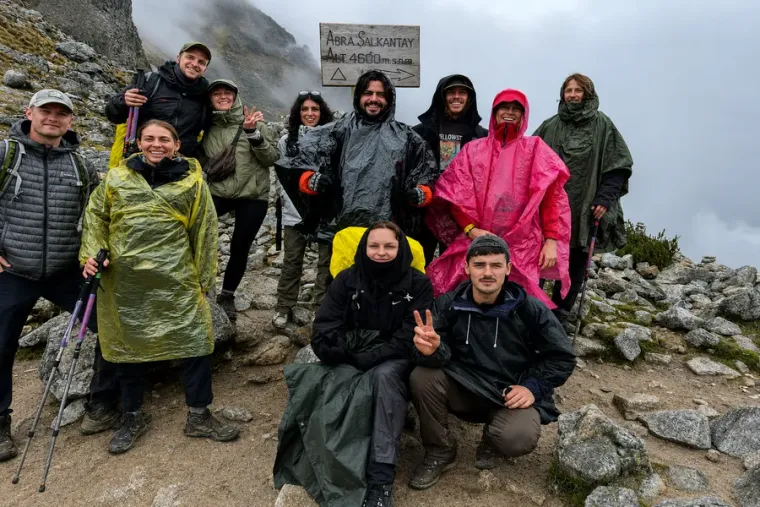
Glacier pass, cloud forest and sky domes on the full length route to Machu Picchu.