
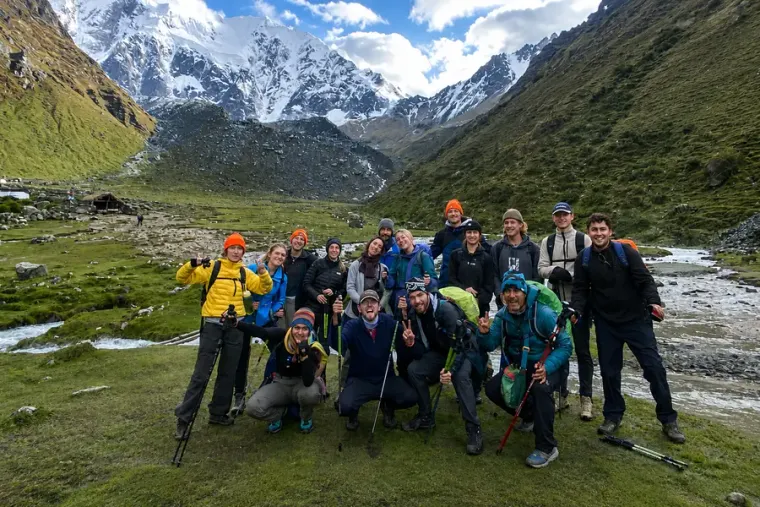
 4 days
Salkantay Trek 4 Days
The fast line over the Salkantay Pass, with two nights in sky domes.
Glacier pass, cloud forest and sky domes on the full length route to Machu Picchu.
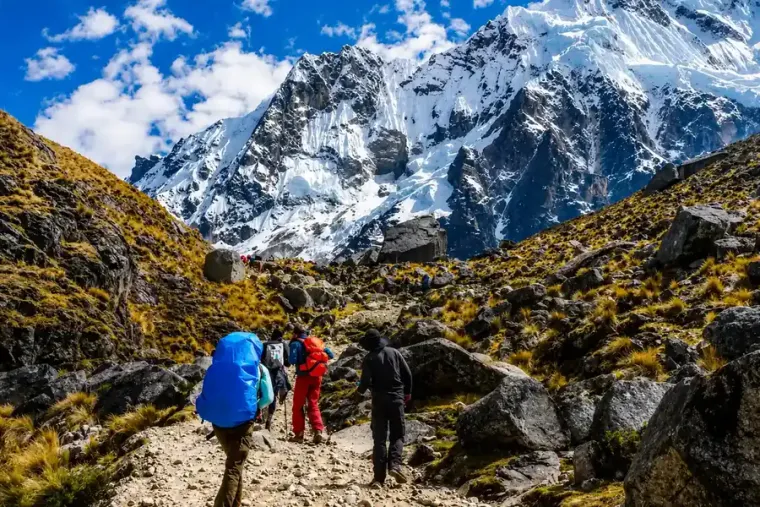
National Geographic Traveler placed this route among the best treks on the planet, and the 5 day version is the one that walks all of it. You leave Cusco, climb beside the ice of Apu Salkantay (6,271 m) and then lose close to 3,500 meters of elevation on foot, passing from bare moraine to warm cloud forest where spectacled bears still live.
The extra day is what sets it apart from the shorter itinerary. It adds a night in the huts at Chaullay and the climb to Llactapata, an Inca site that looks straight across the valley at Machu Picchu.
Drive from Cusco to Mollepata and Soraypampa, hike up to Humantay Lake and sleep at Quishwaraniyoc in a dome with a clear roof and Salkantay in front of the door.
Reach the high point of the trek at 4,630 m with glaciers on every side, then drop into the upper jungle and spend the night in a hut at Chaullay.
Walk down the Lucmabamba valley, roast and grind your own coffee with a local family, and pick between thermal pools and a zipline before a second night in domes.
Climb an original Inca path to Llactapata for a first look at Machu Picchu from the southwest, then follow the railway to a hotel in Aguas Calientes.
Tour the citadel with your guide and return to Cusco by train through Ollantaytambo or by road from Hidroelectrica, whichever you booked.
No standard tents here. At Quishwaraniyoc and Lucmabamba you sleep in private domes built for stargazing, with the glacier or the valley right outside.
After the hardest day you rest in warm, purpose built huts that open onto the cloud forest.
In Lucmabamba you pick, roast and grind organic beans yourself and drink the cup you made.
Day 3 has an open afternoon. Fly over the canyon on a zipline or soak tired legs in the Cocalmayo thermal pools.
Few visitors ever see Machu Picchu from this side. Llactapata gives you a wide, crowd free view of the citadel and Huayna Picchu.
Choose the train via Ollantaytambo for comfort or the road from Hidroelectrica to keep the cost down.
From our guidesThe Classic Inca Trail runs on a fixed number of government permits that sell out months ahead. Salkantay has no permit cap, so dates stay open far longer. It suits hikers who want bigger scenery, more wildlife and a quieter trail.
The first day takes you from dark city streets to the foot of the snow peaks. It mixes a mountain drive, a filling breakfast and your first acclimatization climb to a glacial lake, and it ends in a dome camp under a sky full of stars.
We collect you from your Cusco hotel between 4:40 and 5:00 a.m. and drive toward Mollepata. A short stop at the municipal checkpoint covers the Humantay Lake entry (20 soles per person, paid in cash), and then a full buffet breakfast is served.
The vehicle continues to Soraypampa. A landslide on the road means we get out a little before the usual parking area. Your guide leads a round of stretches there so your legs are ready for the slope.
The path to the lake is steep and takes between 1 hour 45 minutes and 2 hours at a steady pace. At the top (4,200 m) there is plenty of time for photos and for sitting by the turquoise water under the Humantay glacier.
A short walk down from the lake brings you to our private camp at Quishwaraniyoc. The trail cooks have a generous buffet lunch waiting in the dining room, made with fresh produce from the region.
Move into your dome and rest. Each one faces the Salkantay massif with nothing in between. After a buffet dinner you can lie in bed and watch the southern constellations through the clear panels above you.
This is the toughest and most rewarding day of the trek. You cross the high pass with ice fields all around and then watch the climate change by the hour as the trail falls from frozen rock into the green warmth of the upper jungle.
The crew wakes you at 5:00 a.m. with a hot cup of coca tea brought to your dome, an Andean habit that helps with altitude. The group then eats a hearty buffet breakfast before the climb.
The ascent starts straight after breakfast. At 4,630 m above sea level the pass sits face to face with Salkantay, the second highest mountain in the Cusco region. There is time to take in the hanging glaciers and to join a short offering of thanks to the mountain spirits.
From the pass a steady 2 hour descent over rocky moraine leads to Wayracmachay. The wind softens and the air warms as you go. A hot buffet lunch is ready at our rest point.
The afternoon stretch runs deeper into the upper jungle until the Chaullay camp. Your private hut is sheltered and comfortable, and it looks out over the cloud forest.
Day 3 is about the life of the upper jungle. It combines an easy downhill walk, time with a farming family and an afternoon you shape yourself, either active or restful, before another night in domes among the plantations.
After a buffet breakfast at Chaullay the path keeps descending beside the river. Wild orchids, bromeliads and stands of bamboo line the way.
At the plantation you take part in the whole process by hand. You pick the cherries, roast the beans over a fire and grind them to brew one of the best organic coffees of the region.
The group sits down to a freshly cooked lunch. The cooks set out a range of hot local dishes to carry you through the afternoon.
Two optional activities are on offer. One is a zipline circuit high above the canyon. The other is the Cocalmayo hot springs, where volcanic pools ease muscles that have worked hard for three days.
Everyone meets again at the Lucmabamba camp for a buffet dinner. Then you settle into your private dome and fall asleep to the sounds of the forest.
Optional extras: the zipline can be added when you book for 25 USD per person. Entry to the Cocalmayo hot springs is paid on site. Neither is required, though both help a lot with recovery.
Day 4 is the historical high point of the walk. You climb a preserved stretch of Inca road to an archaeological site most travelers never reach, see Machu Picchu in the distance and finish in the lively town below the citadel.
After breakfast at the dome camp the trail gains height at once. It follows original stone paving through thick cloud forest up to the ridge.
Llactapata is an Inca observatory built directly opposite the citadel. From here you get a rare panoramic view of Machu Picchu and Huayna Picchu from the southwest, with none of the usual crowds.
Once the guide has explained the site, a long downhill walk leads to the Aobamba river. Near the Hidroelectrica station the group stops for a freshly cooked lunch before the last flat section.
The final part of the day is a level walk beside the train tracks and the Urubamba river, closed in by green mountains. It ends in the busy streets of Aguas Calientes, also called Machu Picchu Pueblo.
Check into your hotel room and freshen up. Over dinner your guide goes through the plan for the next morning: timings, the entry circuit and practical tips for the visit.
This is rated the second hardest day of the trek because of the early climb and the total distance. A good night of sleep afterward makes a difference.
The last day brings you to the Inca citadel itself. You explore it with your guide and then travel back to Cusco by the route you selected.
The day starts at 4:00 a.m. with breakfast at the hotel, so the group has energy for the walk to the checkpoint and the climb beyond it.
A 1.5 hour climb on the official footpath cuts across the bends of the bus road. It is steep, with about 1,600 stone steps, and it ends at the main gate.
You enter in time to see first light on the green peaks. Your guide then walks you through the main circuit and explains the history, the building methods and the purpose of the sanctuary.
If your booking includes Huayna Picchu or Machu Picchu Mountain, the guide shows you to the trailhead and you climb on your own. If not, you head down to begin the return to Cusco.
Walk down to Aguas Calientes after the visit and board an afternoon train (2:30, 2:55 or 3:20 p.m., subject to availability) to Ollantaytambo. Our driver meets you there and takes you to Cusco, one block from the main square, by about 7:30 p.m. Total travel time is 4 hours.
Go down to Aguas Calientes and walk the railway trail back to Hidroelectrica, about 10 km in 3 hours. You need to be there before 2:30 p.m. Our driver then covers the 6.5 hour road to Cusco, arriving near 9:30 p.m.
 1Cusco3,399 m (11,152 ft)
 2Mollepata2,900 m (9,514 ft)
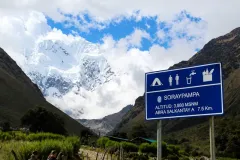 3Soraypampa3,900 m (12,795 ft)
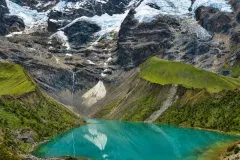 4Humantay Lake4,200 m (13,780 ft)End of day 1
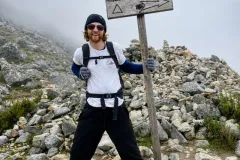 5Salkantay Pass4,630 m (15,190 ft)
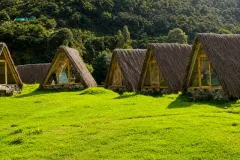 6Chaullay2,900 m (9,514 ft)End of day 2
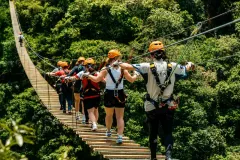 7Lucmabamba2,000 m (6,562 ft)End of day 3
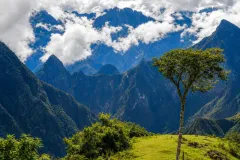 8Llactapata2,700 m (8,858 ft)
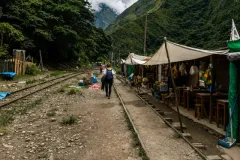 9Hidroelectrica1,900 m (6,234 ft)
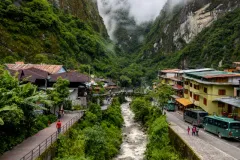 10Aguas Calientes2,040 m (6,693 ft)End of day 4
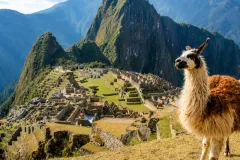 11Machu Picchu2,430 m (7,972 ft)End of day 5
Briefing. A meeting at your hotel or Airbnb at 6:00 p.m. the evening before departure to go over logistics.
Hotel pickup. Collection from your hotel or registered Airbnb in Cusco.
Private transport. Transfer from your accommodation to the trailhead.
Luggage storage. Free, secure storage in Cusco for your main bags while you are on the trail.
Circuit 2 ticket. Entry on Circuit 2, the most complete and scenic route through the site. If it is sold out for your date we contact you right away to agree on the best alternative.
Mountain guide. A certified bilingual guide with the group on the whole trail and inside the citadel.
Safety kit. First aid kit and emergency oxygen carried by the guide at all times.
Four nights. Two nights in sky domes, one night in a hut at Chaullay and one night in a hotel in Aguas Calientes.
Pack horses and duffel. Muleteers and horses carry the camp equipment. At the briefing you receive a duffel bag for up to 7 kg (15.4 lb) of personal gear, which travels on horseback.
Meals. 5 breakfasts, 4 lunches and 4 dinners from our trail kitchen. Vegetarian, vegan, gluten free and allergy friendly menus cost nothing extra. Just tell us when you book.
Your chosen route. Either the train from Aguas Calientes or the private car from Hidroelectrica, according to your booking.
Humantay Lake entry. 20 soles (about 5.80 USD), paid in cash at the Mollepata checkpoint on Day 1.
Gear rental. Sleeping bag rated to minus 10°C: 15 USD for the trek. Trekking poles: 15 USD per pair for the trek.
Santa Teresa hot springs. 50 soles (about 14.50 USD) paid on site on Day 3. It covers the shuttle both ways and the entry ticket.
Mobile signal and internet. There is no coverage from about 9:00 a.m. on Day 1 until the second camp, where Wi-Fi can be bought for 10 soles. From Day 3 onward signal is usually stable.
Showers and toilets. Toilets at our camps are free. Family run toilets along the trail may charge 1 sol. The first camp has no showers because of the cold. The second camp has free cold showers or hot ones for 10 soles. Day 3 has the hot springs, and the hotel on Day 4 includes hot showers.
Riding horse on Days 1 and 2. Optional and arranged at the trailhead. The climb to Humantay Lake costs 100 to 120 soles (about 29 to 35 USD). The climb to the Salkantay Pass costs 120 to 130 soles (about 35 to 38 USD).
Tips. Entirely up to you. Tipping is common in Cusco, but nobody is obliged. Our trail staff are paid fair wages, so a tip is only ever a personal thank you for great service.
Travel insurance. Not part of the package. We strongly advise buying medical cover that includes high altitude trekking before you leave home, because it is hard to arrange once you are in Peru.
The price depends on how you travel back after Machu Picchu: by road (Aguas Calientes, Hidroelectrica, Cusco) or by train (Aguas Calientes, Ollantaytambo, Cusco).
| Adult | $330 |
|---|---|
| Student | $310 |
| Under 17 | $310 |
| Adult | $410 |
|---|---|
| Student | $390 |
| Under 17 | $390 |
| 2 people | $780 |
|---|---|
| 3 people | $740 |
Private transport from Cusco to the trailhead
Private guide from the trailhead to the end of the Machu Picchu visit
Private accommodation along the trek
3 star hotel in Aguas Calientes
Private transfer from Ollantaytambo to your hotel in the Sacred Valley or Cusco (train return)
 Original passport
 Cash in soles
 Personal medication
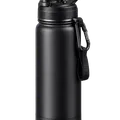 Water bottle
 Sunscreen
 Insect repellent
 Toiletries
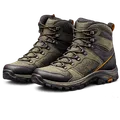 Hiking boots
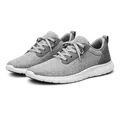 Light shoes
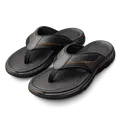 Sandals
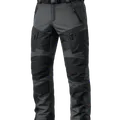 Trekking pants
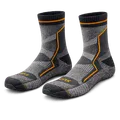 Trekking socks
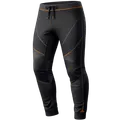 Thermal base layers
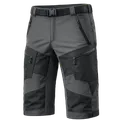 Shorts
 Long sleeve shirt
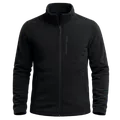 Fleece jacket
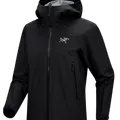 Waterproof jacket
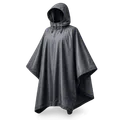 Rain poncho
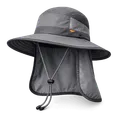 Sun hat
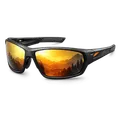 Sunglasses
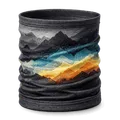 Neck buff
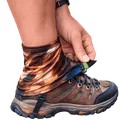 Trail gaiters
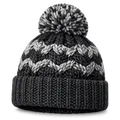 Warm beanie
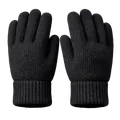 Gloves
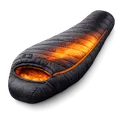 Sleeping bag
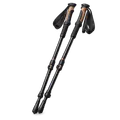 Trekking poles
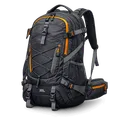 Small daypack
 Plug adapter
 Headlamp
 Swimwear
 Quick dry towel
 Energy snacks
 Power bank
 Camera or phone
Most people planning a walk to Machu Picchu end up comparing these two. The right answer depends on how you travel and how far ahead you plan. The Inca Trail is rich in history, with ruin after ruin along the way, but the government limits daily permits and spaces are often gone six months before the date.
Salkantay gives you much more freedom with dates and puts the weight on landscape: glaciers, sharp changes of climate and comfortable camps. If you want to look at permits, seasons and prices for the other route before deciding, see our Classic Inca Trail 4 Days.
Salkantay rises to 6,271 m above sea level. It is the second highest summit of the Cusco region and one of the main protective spirits in Andean belief. Long before trekkers arrived, communities looked to it for weather and water, and the Incas treated it as a place of pilgrimage. Its steep ridges and fragile cornices also made it a serious target for climbers in the twentieth century.
A French and American team made the first ascent on August 4, 1952, in hard weather and on exposed ice. In June 2013 Luis Crispin, from Cusco, completed the first Peruvian ascent. The American Alpine Journal keeps the original reports. Knowing that story gives the pass a different weight when you stand on it.
The high grassland and cloud forest along the trek form one continuous wildlife corridor, protected by law for species such as the spectacled bear, the Andean condor and the cock of the rock. It is also under pressure from a warming climate.
Monitoring shows that the Salkantay glacier has lost more than 60% of its ice in forty years, which affects water for the farming communities below. Peru applies strict environmental rules in the area, and you can read about them on the SERNANP protected areas portal. This is why we run the trek on zero waste principles and take part in trail clean ups.
Because the route goes above 4,600 m on Day 2, fitness and hydration matter. Walk slowly and evenly, drink often and tell your guide straight away if you feel unwell so that they can act.
We ask every hiker to follow Leave No Trace: carry out your rubbish, avoid single use plastic by bringing a bottle with a filter, and keep your distance from wildlife. Trekking poles need rubber tips so they do not chip the ground or the old stonework.
Pace, lodging and how much of the trail you walk. The 4 day itinerary skips the climb to the Llactapata ruins. The 5 day trek also adds a night in the huts at Chaullay, while the shorter version has two dome nights and one hotel night.
Plan at least 2 full days in Cusco or the Sacred Valley. Day 1 already goes high, and 48 to 72 hours of adjustment lowers the risk of altitude sickness a great deal.
The dry months from May to September bring sunny days and clear nights, ideal for the domes. April and October are good too. January to March is the wettest period, with more mud in the cloud forest sections.
There is no permit cap, but we recommend 3 to 4 months. That is what it takes to secure Machu Picchu Circuit 2 tickets and space in the dome camps and hotels.
Safety comes first. You have until Day 2, before the pass, to see how your body responds. If you need to stop, the guide arranges your return to Cusco. You can rest and rejoin the group at Machu Picchu by train or by road through Hidroelectrica. That transfer has an extra cost, and we organize all of it so you do not miss the citadel.
The trek is rated moderate to challenging. Reasonable cardio fitness is needed. A few weeks of hiking, running or stair climbing before the trip will make the two 22 km days much more comfortable.
Yes. Our cooks prepare vegetarian, vegan, gluten free and allergy safe meals at no extra charge. Tell us about your needs when you book.
Yes, solo hikers are welcome. You join a small group, share the trail and the meals, and make friends from all over the world.
Between 400 and 600 soles per person, in small notes and coins. Cards and foreign currency are not accepted on the trail. The cash covers the Humantay entry, snacks, optional horses and the hot springs.
Yes. It takes place at your hotel or Airbnb in Cusco at 6:00 p.m. the evening before. You meet your guide, confirm the schedule and receive the duffel bag for your 7 kg of gear.
4 daysThe fast line over the Salkantay Pass, with two nights in sky domes.
 5 days
The full Salkantay route with a private crew, luxury camps, a night facing Machu Picchu and a hotel to finish.
 4 days
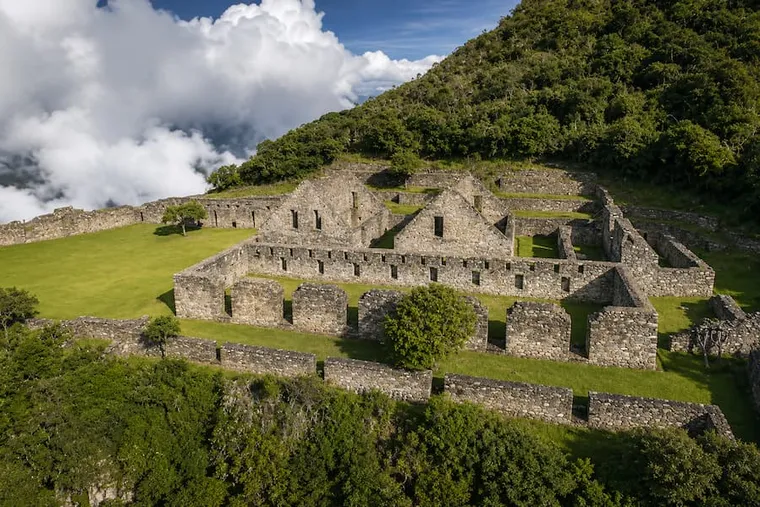
Down and up the Apurimac canyon to an Inca city that almost nobody visits.