
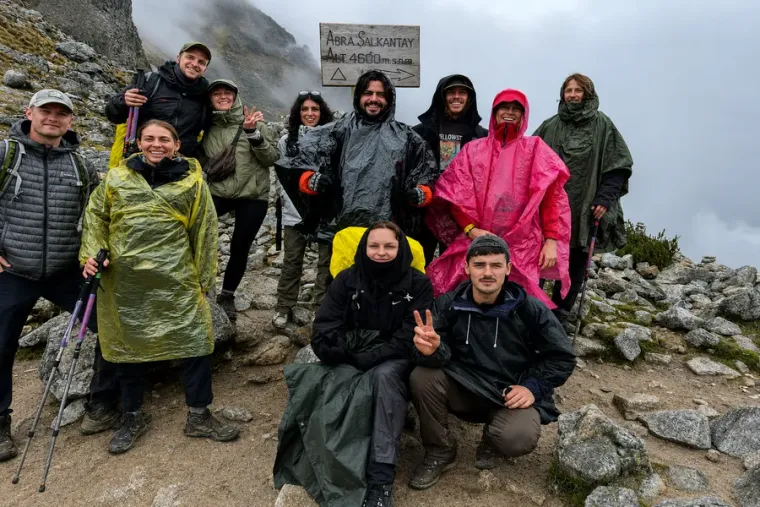
 5 days
Salkantay Trek 5 Days
Glacier pass, cloud forest and sky domes on the full length route to Machu Picchu.
Down and up the Apurimac canyon to an Inca city that almost nobody visits.
The Choquequirao Trek is for hikers who like to earn their views. Over four hard days you descend into one of the deepest canyons in Peru, climb out the far side and reach an Inca citadel often called the sacred sister of Machu Picchu. The slopes are steep, the weather shifts quickly and you will meet very few other people.
Nights are spent in simple guesthouses run by the families who live along the trail, so there are no tents to carry and your stay supports them directly.
Pickup at 5:00 a.m., drive to Capuliyoc, a 4 hour descent to Chiquiska for lunch and an afternoon walk across the river to Santa Rosa.
A tough 4 hour climb to Marampata past small sugarcane farms, then 2 more hours through cloud forest to the citadel.
Explore Choquequirao in the early light, descend to Santa Rosa for lunch and finish at Chiquiska.
One last climb out of the canyon, a pachamanca lunch cooked under hot stones, a stop at the Saywite monolith and the drive to Cusco by 6:00 p.m.
A large Inca complex that you can walk through at leisure, often with no other visitors in sight.
Long views into one of the deepest river gorges of Peru on every day of the trek.
Meat, potatoes and vegetables cooked the old way, buried with hot stones, to celebrate the finish.
A huge carved boulder that may be an Inca model of valleys, canals and the wider landscape.
Proper beds and warm blankets in rural guesthouses run by local families.
Close to 1,500 m of descent and the same again in ascent, twice. Few routes near Cusco ask more of you.
From our guidesChoquequirao is on the UNESCO World Heritage Tentative List for the quality of its architecture, and Lonely Planet has named this route among the most rewarding wilderness walks anywhere. There is no road and no train. The only way in is on foot.
We leave Cusco early and drive to the trailhead at Capuliyoc. The first day helps your body adjust, moving from high Andean valleys down into the warmer air of the Apurimac canyon at an easy, even pace.
We collect you from your Cusco hotel at 5:00 a.m. in private transport. The road passes country towns and mountain scenery and reaches the Capuliyoc viewpoint (2,900 m / 9,514 ft) around 8:30 a.m.
Breakfast is served at the viewpoint. While you eat, the crew loads the mules, and the guide gives a last safety talk before you step onto the trail.
The first stretch is a 4 hour walk downhill on a long series of switchbacks, with the river gorge open below you the whole time.
We stop for a filling lunch in the hamlet of Chiquiska (1,893 m / 6,210 ft). There is shade here, and time to rest and drink during the hottest part of the day.
After lunch we walk 2 more hours, cross the bridge over the Apurimac and start up into cloud forest. The day ends at our guesthouse in Santa Rosa (2,230 m / 7,300 ft) with hot tea and dinner.
Day 2 is the hardest and the most satisfying. We get up early to stay ahead of the heat and climb steadily out of the canyon to the high shelf where the Inca city stands.
After breakfast a steep, winding path takes about 4 hours. On the way you pass small sugarcane plots where families distill canazo, a spirit made in these valleys for generations.
Lunch is at a farmhouse in Marampata (2,911 m / 9,550 ft). From the table you look over the ridges and the Apurimac far below.
The trail eases for the next 2 hours as it crosses dense cloud forest and reaches the outer sectors of Choquequirao (3,050 m / 10,007 ft).
Our guesthouse is right next to the archaeological park. You have the rest of the afternoon to recover and a warm dinner from the crew.
You wake up next to the site. The morning is for exploring the citadel, and the afternoon begins the return into the canyon.
Coca tea is brought to your room in time to see the sun rise over the mountains. Then we visit the main sectors of Choquequirao, hear its story as a remote Inca stronghold and enjoy the quiet.
A steady 3 hour walk down gives a last look at the terraces in the cloud forest and ends at Santa Rosa (2,230 m / 7,300 ft).
The cooks have lunch ready. It is a welcome pause for your legs and a break from the midday sun.
Two more hours of descent bring you to the canyon floor and back across the Apurimac. A final 2 hour climb leads to our guesthouse in Chiquiska (1,800 m / 5,905 ft). The evening is warm, good for birdwatching before dinner.
An early start gets the last climb done in the cool of the morning. A traditional feast and one more Inca site are waiting before the road home.
After breakfast with the crew we walk up and out of the canyon to the Capuliyoc viewpoint, where the trek ends.
At Capuliyoc the team prepares a pachamanca: several meats, native potatoes and vegetables cooked slowly underground on hot stones. It is the right way to celebrate and to say goodbye to the crew.
Private transport then takes us to the Saywite archaeological site. Its famous carved rock is thought to be an Inca map of the water systems and geography of the region.
We drive back over the mountains and drop you at your hotel or Airbnb in Cusco around 6:00 p.m.
 1Cusco3,399 m (11,152 ft)
 2Capuliyoc2,900 m (9,514 ft)
 3Chiquiska1,893 m (6,211 ft)
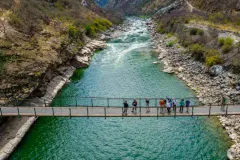 4Playa Rosalina1,530 m (5,020 ft)
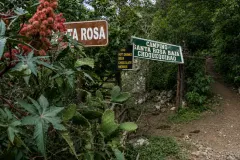 5Santa Rosa2,230 m (7,316 ft)End of day 1
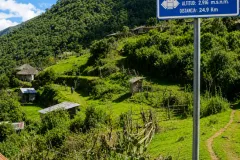 6Marampata2,911 m (9,551 ft)
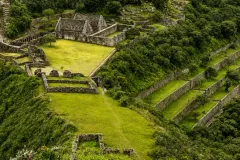 7Choquequirao3,050 m (10,007 ft)End of day 28Santa Rosa2,230 m (7,316 ft)9Playa Rosalina1,530 m (5,020 ft)10Chiquiska1,893 m (6,211 ft)End of day 311Capuliyoc2,900 m (9,514 ft)End of day 4
Briefing. With your guide at our Cusco office at 6:00 p.m. the evening before, to go over the route and safety.
Hotel pickup and drop off. Early morning collection from your Cusco hotel on Day 1 and return to it on Day 4.
Private transport. Vehicles suited to mountain roads, from Cusco to Capuliyoc and back.
Luggage storage. Free, secure storage at our Cusco office for anything you do not want on the trail.
Bilingual guide. An experienced, certified guide who speaks English and Spanish and knows the canyon and its archaeology.
Entry tickets. Choquequirao archaeological complex and Saywite archaeological park.
Duffel and pack horses. A duffel bag for up to 7 kg (15.4 lb) of your things, carried by horses and available at lunch stops and guesthouses.
Meals. 4 breakfasts, 4 lunches and 3 dinners cooked fresh each day by our trail cook, adapted to any dietary need.
Guesthouses. 3 nights in rustic family guesthouses with real beds and warm blankets. No tent or sleeping bag needed.
Safety equipment. Emergency oxygen, radios and a full first aid kit carried by the guide.
Water and snacks. Refill water is not included. Family shops sell bottled water and sports drinks every 3 to 4 hours along the route, or you can bring a filter or tablets. Chocolate and energy bars are a good idea.
Trekking poles. Not included and highly recommended on these slopes. Rent a sturdy pair from us for 15 USD for the whole trek.
Tips. Optional for guides, cooks and muleteers, and warmly received.
Travel insurance. Medical, cancellation and luggage cover is not part of the package. We recommend it.
Other services. Meals not listed in the itinerary, alcohol, souvenirs and upgrades.
Cash. Bring soles. The families and small shops in the canyon do not take cards.
The price covers your bilingual guide, private transport, entry tickets, guesthouse nights and the meals listed.
| Adult | $290 |
|---|---|
| Student | $270 |
| Ages 11 to 17 | $270 |
 Original passport
 Cash in soles
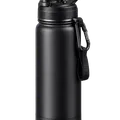 Water bottle
 Headlamp
 Power bank
 Sunscreen
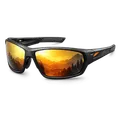 Sunglasses
 Insect repellent
 Toiletries
 Quick dry towel
 Energy snacks
 Quick dry t-shirts
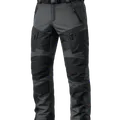 Trekking pants
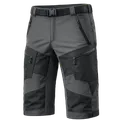 Shorts
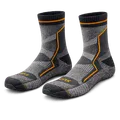 Trekking socks
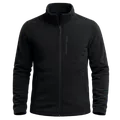 Fleece jacket
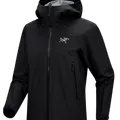 Waterproof jacket
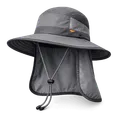 Sun hat
 Warm beanie
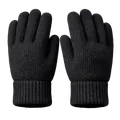 Gloves
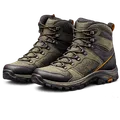 Hiking boots
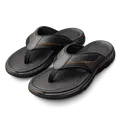 Sandals
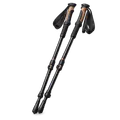 Trekking poles
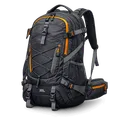 Small daypack
The site is two days on foot from the nearest road. That distance keeps visitor numbers very low, and you can cross whole Inca plazas at your own speed without meeting another group.
Going down and back up the Apurimac canyon, twice, is what makes this trek respected among hikers. Finishing it is something to be proud of.
The guesthouses, the meals at farmhouses and the small shops on the switchbacks are all run by the mountain families who live here. Walking this route puts income straight into their hands.
Technical and cultural data for the site is published in the MINCETUR national tourism inventory. If you have questions about fitness or departure dates, contact our team and we will answer personally.
Yes. The switchbacks are steep and the canyon is deep, so it is rated challenging. Good fitness and time to acclimatize are strongly recommended.
We give you a duffel for up to 7 kg (15 lb) of personal items. Pack horses carry it for the whole trek and you can get to it at every lunch stop and guesthouse.
A light pack of 25 to 35 liters with the things you need during the day: your original passport, water, sunscreen, insect repellent, rain gear, camera and snacks.
In simple, comfortable guesthouses run by local families. They have proper beds and warm blankets, so you do not need a tent or a sleeping bag.
Refill water is not included. Small community shops sell bottled water and sports drinks every 3 to 4 hours on the trail, and purification tablets are another option.
We strongly recommend them because of the long, rocky climbs and descents. If you do not have your own, rent a pair from us for 15 USD for the trip.
Yes. Our cook prepares fresh meals at each stop and can adapt them for vegetarian, vegan, gluten free or medical diets at no extra cost. Please tell us in advance.
Nobody in the canyon has a card terminal. You will need soles for water, snacks, souvenirs and any tips.
At our Cusco office, free of charge. It will be ready for you as soon as you return.
The guide carries emergency oxygen, a radio and a complete first aid kit at all times, sets a pace the whole group can hold and watches each hiker closely on the steep sections.
5 daysGlacier pass, cloud forest and sky domes on the full length route to Machu Picchu.
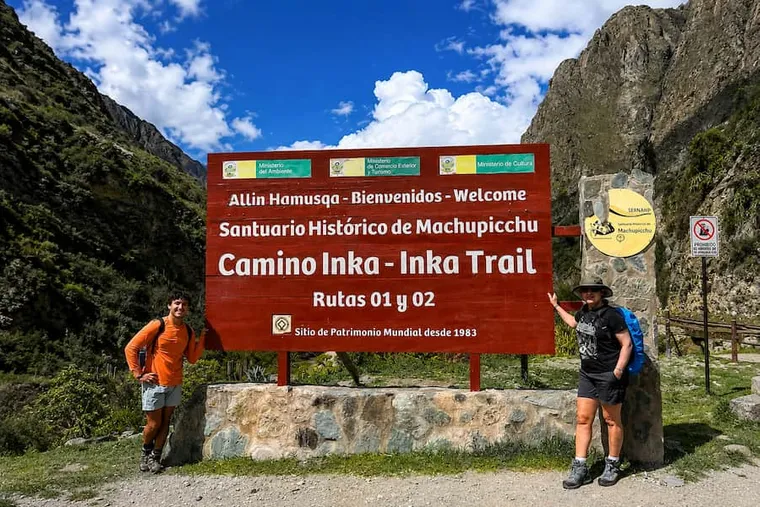 4 days
The original stone road of the Incas, ending at the Sun Gate at first light.
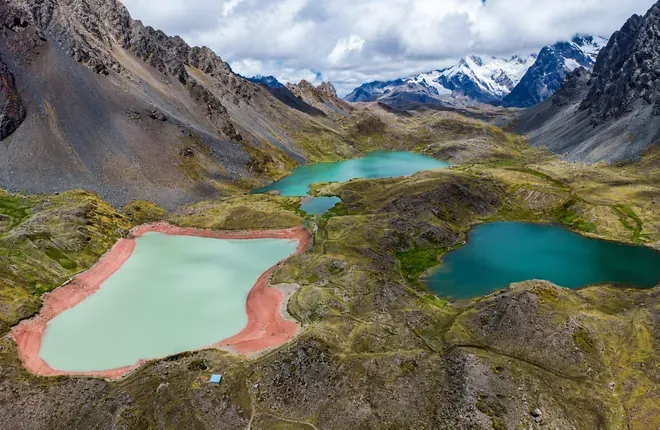 Full day
A loop past seven glacial lakes below the sacred peak of Cusco, with hot springs to finish.