


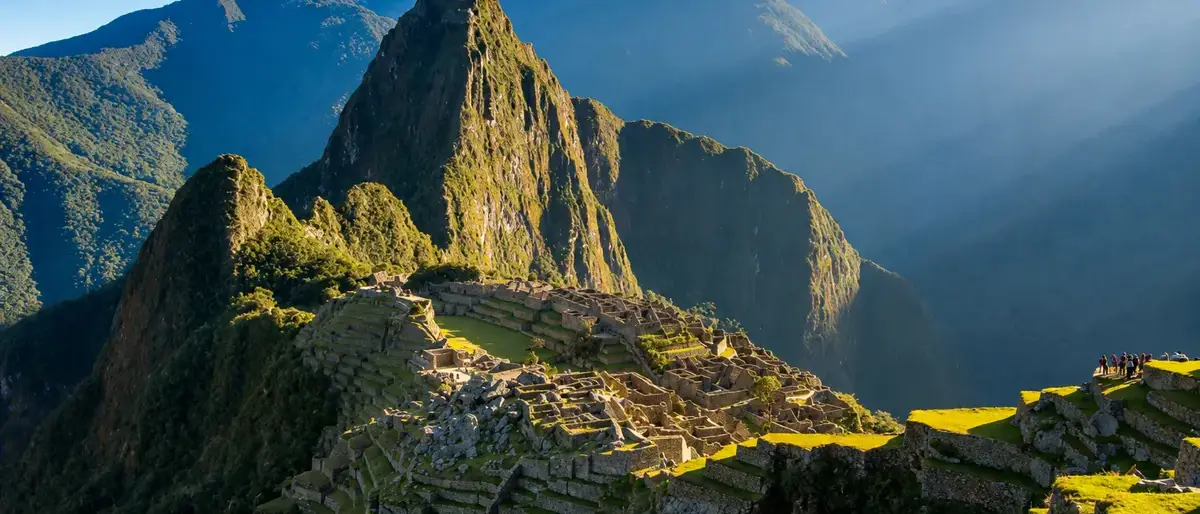
How to Get to Machu Picchu from Cusco

The fastest way from Cusco to Machu Picchu is the train to Aguas Calientes, about 3.5 to 4.5 hours each way, followed by a 25 minute bus up to the gate. No road goes all the way. You can also arrive on foot, by the Inca Trail or the Salkantay trek, in 2 to 5 days.
- 110 km
- by rail from Cusco
- 3.5 to 4.5 h
- each way by train
- $24
- round trip bus to the gate
- 2 to 5 days
- if you walk in
In this guide
The Ways to Get from Cusco to Machu Picchu Compared
There are only three ways in: by train, on foot, or by the back road through Hidroelectrica. Everything else is a mix of those three.
Whichever you choose, you end up in Aguas Calientes, the small town at the foot of the mountain. From there a bus or a steep path takes you up to the gate.
| Way | Time from Cusco | Cost per person | Effort | Book ahead | Best for |
|---|---|---|---|---|---|
| Train and bus on your own | 3.5 to 4.5 h each way | From about $190 round trip | Easy | 2 to 4 months in high season | Short stays and families |
| Day trip by train | 1 long day | From $310, all included | Easy | 2 to 4 months in high season | Travelers with one free day |
| Sacred Valley and Machu Picchu | 2 days | From $390, all included | Easy | 2 to 4 months in high season | A slower pace and an early entry |
| Short Inca Trail | 2 days | From $490 | Moderate | Permit, 2 to 4 months | The Sun Gate without camping |
| Classic Inca Trail | 4 days | From $750 | Challenging | Permit, 4 to 8 months | Trekkers who plan early |
| Salkantay trek | 4 or 5 days | From $300 | Demanding | No permit, a few weeks | Trekkers who book late |
| Van to Hidroelectrica and walk | 2 days minimum | From about $110 | Moderate | A few days | Tight budgets, dry season only |
Prices checked in October 2026. The tour prices are ours and include the Machu Picchu ticket. The two "about" figures add up the cheapest transport and the entry ticket, without hotel or food.
How Far Is Machu Picchu from Cusco?
Machu Picchu is about 75 km (47 miles) from Cusco in a straight line and about 110 km (68 miles) by rail. On the map it looks close. On the ground it takes most of a morning.
The reason is the canyon. The Urubamba river cuts a gorge so narrow that only the railway fits beside it. No road reaches Aguas Calientes, so nobody drives to Machu Picchu.
- 3,400 m
- Cusco (11,150 ft)
- 2,790 m
- Ollantaytambo (9,150 ft)
- 2,040 m
- Aguas Calientes (6,690 ft)
- 2,430 m
- Machu Picchu (7,970 ft)
Notice that the whole trip runs downhill from Cusco. Machu Picchu sits almost 1,000 m lower, which is why most people feel better there than in the city.
Cusco to Machu Picchu by Train
Most visitors take the train, and for good reason. It's the quickest and most comfortable way, and the ride through the canyon is part of the trip.

- Cusco to OllantaytamboBy road through the Sacred Valley, about 1 hour 45 minutes.
- Ollantaytambo to Aguas CalientesBy train along the Urubamba river, 1 hour 40 minutes to 2 hours.
- Aguas Calientes to the gateBy shuttle bus up the switchbacks, 25 to 30 minutes.
Two companies run the line, PeruRail and Inca Rail, with almost the same schedules. Ollantaytambo station works all year and has the most departures, so nearly every trip starts there.
Prices move with demand, like airline fares. As a guide, a seat in the basic class costs about $55 to $90 each way and a panoramic car about $95 to $180. The luxury Hiram Bingham starts near $460.
Buy your seats when you buy your entry ticket, because the two have to match. For June, July and August that means 2 to 4 months ahead. You need the passport you booked with to board.

The Bus from Aguas Calientes to the Entrance
The train leaves you in Aguas Calientes, still 400 m below the ruins. A shuttle bus covers the last stretch in 25 to 30 minutes.

A ticket costs $12 each way or $24 round trip for foreign adults. Buses start at 5:30 a.m. and leave every 10 to 15 minutes, as soon as they fill.
Buy it the afternoon before at the ticket office in town, with your passport. Then join the line 30 to 60 minutes before the time on your entry ticket. The early morning lines are the longest.
You can also walk up for free. The stone stairway starts at the bridge below town and climbs for 1.5 to 2 hours. It's steep and humid, so we suggest the bus up and the walk down.
Hiking to Machu Picchu: Inca Trail, Salkantay and Choquequirao
Walking in takes longer and gives more. You cross high passes, sleep in the mountains and reach the ruins with the feeling that you earned them.

The Classic Inca Trail, 4 days
The only route that enters through the Sun Gate. It needs a government permit, sold only through licensed agencies, and the trail is closed every February. Permits for the next year go on sale in November.
The Short Inca Trail, 2 days
One day of hiking from Km 104 to the Sun Gate, then a hotel night in Aguas Calientes. It also needs a permit, but they sell out later than the classic ones.
The Salkantay trek, 4 or 5 days
Higher and wilder, over a pass at 4,630 m (15,190 ft), and no permit to wait for. This is the trek we recommend when the Inca Trail is sold out or when you decide late.
Choquequirao
The long way. Walking from Choquequirao all the way to Machu Picchu takes 8 or 9 days. Most hikers do the 4 day trek to Choquequirao itself and visit Machu Picchu by train afterward.
Our treks to Machu Picchu
 Classic Inca Trail 4 Days4 days · ChallengingFrom $750
 Short Inca Trail 2 Days2 days · ModerateFrom $490
 Salkantay Trek 5 Days5 days · ChallengingFrom $310


The Budget Route Through Hidroelectrica
This is how backpackers skip the train. A shared van drives 6 to 7 hours from Cusco over the Abra Malaga pass to Hidroelectrica, for about $15 to $25 each way.
From there you walk 10 km beside the train tracks to Aguas Calientes. It's flat and shaded and takes 2.5 to 3 hours. Plan at least two days for the round trip.

We know this road well. Our Salkantay groups walk the same stretch of track on their last afternoon, and travelers who choose the road return ride home on it.
Can You Do Machu Picchu as a Day Trip from Cusco?
Yes. It's a long day, about 16 to 18 hours door to door, but it works and thousands of people do it every week.
- 4:00 to 5:00 a.m. Pick up at your hotel in Cusco.
- Around 7:00 a.m. Train from Ollantaytambo.
- Around 9:00 a.m. Arrive in Aguas Calientes and take the bus up.
- Late morning. About 2.5 hours inside Machu Picchu with your guide.
- Afternoon. Lunch in town and the train back.
- 9:00 to 10:30 p.m. Back at your hotel in Cusco.

If you have a second day, use it. Sleeping in Aguas Calientes lets you enter at 6:00 or 7:00 a.m., before the day trains arrive, and it's the only way to add Huayna Picchu.
Both versions are trips we run: the Machu Picchu day trip by train and the 2 day tour through the Sacred Valley.
What Happens If the Train Is Delayed or Cancelled
It happens a few times a year. The line is a single track through a canyon, so a landslide, a strike or an incident between trains stops everything until it's cleared.
Here is what we have seen, year after year. Service normally returns in 6 to 7 hours and almost never takes more than a day. Twice in the last four years the delay ran from early afternoon into the next morning.
- Your entry ticket. When the trains stop, the Ministry of Culture lets ticket holders enter the following day.
- Your train ticket. Both rail companies move you to a later train at no cost.
- Who does the paperwork. With an agency, we rebook everything while you wait. On your own you can still do it, but expect long lines at the station.
What Changed in 2026 That Most Guides Miss
Rules around Machu Picchu change every year, and many articles online still describe 2024. These are the changes that affect your planning now.
- Tickets can no longer be held. Since September 2026 the official site has no reservations. You pay on the spot and have 15 minutes to finish.
- A park fee, same price. The 11 sol conservation fee charged since May 2026 does not raise the ticket: foreign adults still pay 152 soles, about $44. The official site only adds a small fee for card payments.
- Two bus companies. A second operator now runs the road to the gate alongside Consettur. The price and the ride are the same.
- A bus before the train. From January to April, trains leaving from Cusco start with a bus from Wanchaq station to the Sacred Valley.
- A guide is required. The visit inside Machu Picchu is done with a licensed guide, one for every eight visitors. If you buy the ticket yourself, book a guide too.
Where to Sleep and How Much Buffer Time to Leave
Where you sleep decides how you feel. Cusco sits at 3,400 m, and most people need two days to adjust before they hike or travel hard.
- Sacred Valley or Ollantaytambo. 600 m lower than Cusco and right at the train station. A good first stop after landing.
- Aguas Calientes. The night before your visit, for a 6:00 a.m. entry and a calm morning.
- Cusco. Best left for the end, when you're already used to the altitude.
Then add your buffer: one free day after Machu Picchu and before any flight you can't miss. It costs little and it removes most of the risk.

Which Way Fits Your Trip
After guiding people on every one of these routes, this is how we would match them.
- You have one free day
Day trip by train
Long but simple. Everything is booked for you and you're back in Cusco at night.
- You want an unhurried visit
Sacred Valley and Machu Picchu, 2 days
A night in Aguas Calientes and an early entry, with the valley on the way.
- You dream of the Sun Gate
Classic Inca Trail, 4 days
Book 4 to 8 months ahead. Permits are limited and February is closed.
- You decided late
Salkantay trek, 5 days
No permit needed, higher mountains and far fewer people on the trail.
- You'd rather not camp
Short Inca Trail, 2 days
One day on the trail, the Sun Gate in the afternoon and a hotel bed at night.
- You travel in the rainy season
The train
From November to March the train is the safe choice. Skip the Hidroelectrica road.
Frequently Asked Questions
Where do you fly into for Machu Picchu?
You fly into Cusco (airport code CUZ), almost always with a connection in Lima. The flight from Lima takes about 1 hour 20 minutes. The new airport at Chinchero isn't expected to open before late 2027.
How long does it take to get to Machu Picchu from Cusco?
By train, 3.5 to 4.5 hours each way, including the drive to the station. Add 30 minutes for the bus from Aguas Calientes to the gate. On foot it takes 2 to 5 days, depending on the trek.
Can you drive from Cusco to Machu Picchu?
No. The road ends at Hidroelectrica, 10 km before Aguas Calientes. From there you continue on foot or on the local train.
Can you visit Machu Picchu without a tour?
Yes. You can buy the entry ticket, the train and the bus yourself. Inside the site you visit with a licensed guide, one for every eight visitors, so book one as well. The Inca Trail can only be walked with a licensed agency.
How far in advance should I book?
For June, July and August, book the entry ticket and the train 2 to 4 months ahead. The Classic Inca Trail needs 4 to 8 months. In the rainy season a few weeks is usually enough.
What is the best time of year to go?
The dry season, from May to October, has the clearest skies. April, May, September and October bring good weather with fewer visitors. The Inca Trail is closed in February.
How we checked this guide
This guide comes from what we see while guiding these routes every week. Prices, schedules and rules were checked against the official sites below.
We sell the train trips and treks linked on this page. The option we don't sell, going on your own by van through Hidroelectrica, is described with its real costs and risks.
- Machu Picchu official site, Ministry of Culture
- Official ticket sales, Tu Boleto
- PeruRail, schedules and stations
- Inca Rail, schedules and classes
Last checked:

Jorge Suyo
Director and trekking guideJorge Suyo is a trekking guide and the person who leads Inca Outdoors. He knows these trails from walking them with groups, and that experience shapes how each trip is planned.
Meet the team

